
L.A. Noire
SHOW TYPE

GAME
DEVELOPER

Team Bondi
PROTECTION

M
RELEASED

2011



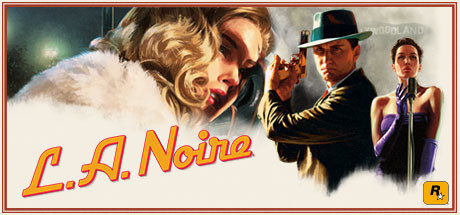
In his fight to climb the ranks and do what's right, LAPD detective Cole Phelps must unravel the truth behind a string of arson attacks, conspiracies, and brutal murders, battling the L.
A.
underworld and even members of his own department.

Community verdict · separate from the catalog
No community verdict yet · In the review queue
1 of 5 members have weighed in. 100% have not labeled it woke. Search already lists this title; a community verdict lands at five.
1 of 1 did not label it woke · 5 members to decide
Community rank · quality, not a gate
Rank it — a rank is a vote that it is not woke. The catalog waits on a verdict and a written review.
Report a mistake
Same rule as woke labels: one report, a written reason, and the community +1 or −1 it — once per member. A net +5 applies the change. Editors can also apply it immediately.
No mistake reports yet.
Sign in to report a mistake. One report per field, per member.
Woke labels
Members can file a published criterion and itemized evidence. Other members +1 or −1 that reason — once. If 10% of members who weighed in file a label, and a reason reaches net +5, that rank keeps the title omitted from the database. Weak labels do not.
No labels filed yet.
A review is on the record even before the verdict. The title still needs 90% of members not labeling it woke before a review can put it in the catalog.
Comments and reviews
Dan Reilly
+13 cloutSep 13, 2026
I fired this one up again last weekend while the pot roast was doing its thing, humming that old dragnet sort of beat under my breath because the whole damn game smells like black-and-white reruns on Antenna TV when I was a kid staying up past bedtime. L.A. Noire drops you straight into 1947 Los Angeles as Cole Phelps, this buttoned-up Marine turned cop who keeps climbing the ranks while the city tries to swallow him whole with arsons, corpse dumps, and backroom deals that stink worse than the last diner coffee I poured. You start on traffic detail and work your way through homicide and vice and arson, and every case feels like peeling wallpaper in a moldy hotel room—slow, deliberate, full of little details that stick to your shoes. The first thing that still knocks me sideways is those faces. Motion-scanned actors doing actual performances, every twitch and eye-flick and little smirk when somebody's holding something back. I sat there at the kitchen table with the controller half-forgotten, just watching some lowlife sweat through an interview like I was the one across the desk. Truth, doubt, lie—those three buttons never stopped feeling a little like guesswork. Sometimes you nail it because the guy's blinking too much or his mouth does that tight little pull, other times you pick wrong and the whole conversation derails into nonsense and you groan out loud and reload. It never quite clicked as pure logic, more like reading a room the way your uncle used to after a couple beers. Still, when it lands and you crack a suspect wide open, there's this little jolt that old mystery radio shows used to give me. Driving around the city is pure time machine. Big fat period cars that handle like boats full of wet laundry, palm trees and neon and that yellowish smog light settling over the hills. I kept pulling over just to look at billboards or listen to the radio chatter about the war still echoing or some baseball score. It feels bigger than it needs to be, half empty in spots the way open worlds used to before everything got stuffed with busywork. You chase a guy who just beat a woman to death with a baseball bat in broad daylight and he ends up jumping off a roof and you just stand there breathing hard thinking yeah, that tracks for this place. Moments like that sink in deeper than half the shootouts in other Rockstar stuff. Phelps himself is a stiff, proper sort, all spit and polish from the Pacific theater, and the game doesn't shy away from the cracks starting to show. Flashbacks to the war come in pieces, ugly and quiet, and you start wondering how much of the golden-boy detective is just armor. Partners come and go—some salty, some crooked, one who just wants to get through the shift without catching a bullet. The cases themselves range from pure pulp (missing persons that turn into blackmail nightmares) to bigger conspiracies that loop back on the department and the city's power players. You dig through evidence lockers, dust for prints the old way, match footprints, and piece it together like those cop shows my dad used to tape. Sometimes the thread gets thin and you can feel the designers stretching, but when a case closes clean it lands with that same satisfaction of finishing a thick paperback at 2 a.m. I'll admit the body animations look like they never quite caught up to the faces—guys walking like they're on puppet strings, fists swinging stiff during a scuffle. And the open world can feel like a beautiful empty set once the case markers run out. You can cruise forever and still wish there were more side noise, more diners to actually sit in. Yet the core loop of walking a scene, bagging clues, then sitting a suspect down and reading their tells never stopped pulling me back. I replayed a couple of the early homicide cases just to hear the dialogue land different once I already knew the twist. There's a patience to it that modern games rarely bother with—no constant explosions, no checklist screaming at you. Just you, a notebook, and the sense that somebody in this city is always lying. It sits in that odd spot next to the bigger Rockstar monsters, half-forgotten sometimes, but every time I boot it the 1940s dust settles right back on my shoulders. The music, the wardrobe, the way cigarette smoke hangs in an interrogation room—it all sticks. I don't need another open-world sandbox right now; I need this kind of slow burn detective work that lets you live inside the cases. Flaws and all, it still feels like something they don't make anymore, the kind of game you finish and immediately start thinking about the next case that never got written. I'll probably fire it up again next time the rain hits the windows and the kitchen feels too quiet. Old habits.